
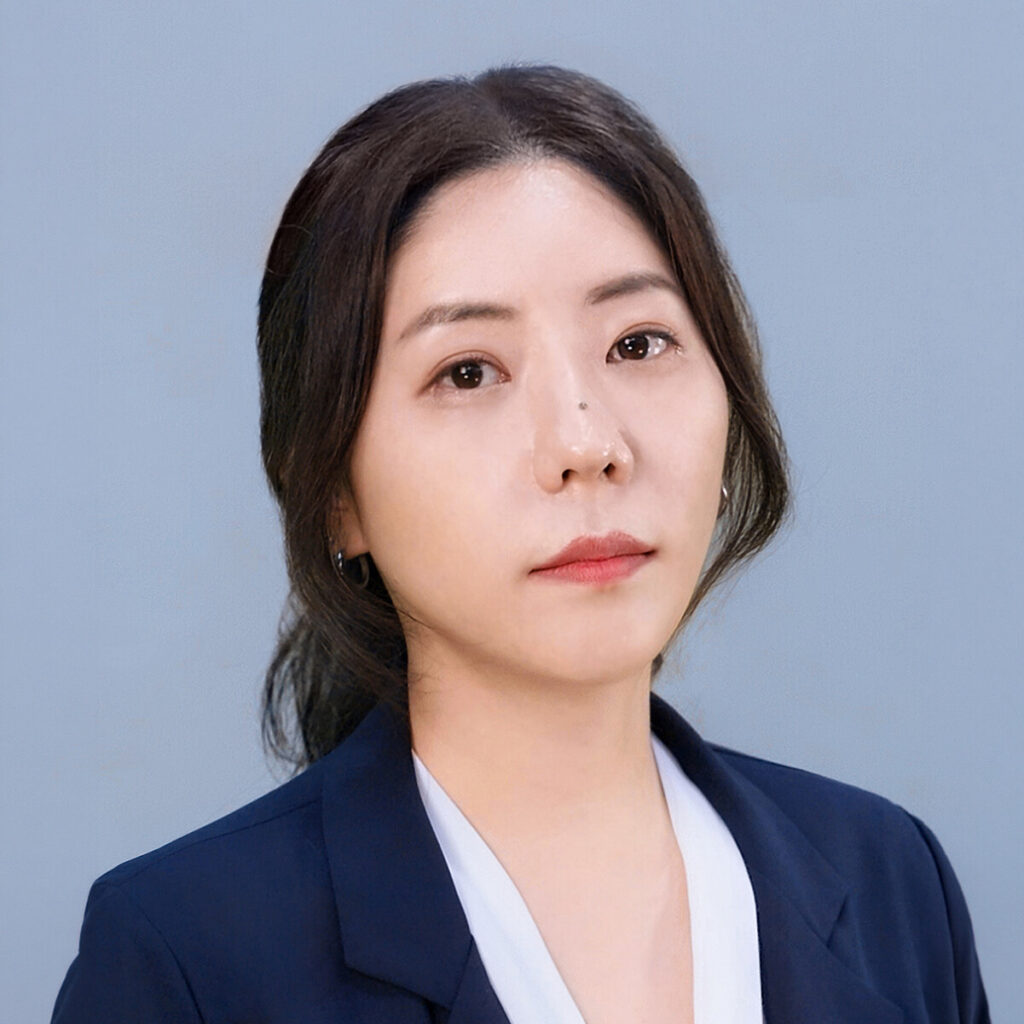
Member Profile: Sanglim Han
What do you do, and how long have you been doing it?
I am a media artist, researcher, and educator working across digital art, real-time 3D, and emerging image technologies. For over a decade, I have developed artistic works and academic research through moving-image practice and creative experimentation with computational tools. I have also been fortunate to collaborate with AI researchers, engineers, and scientists on interdisciplinary projects that connect art, technology, and research.
What was your first job?
My first professional role after graduating was as a Digital Media Mentor in Convergence Academy, a U.S. nonprofit education initiative supported through a Department of Education grant. It was an important early experience for me because it brought together creativity, technology, and education in a very direct way. Looking back, I think it helped shape how I approach artistic practice, collaboration, and learning.
Where did you complete your formal education?
I completed my BFA at the School of the Art Institute of Chicago and my MFA at UCLA. My time at UCLA was especially meaningful because I had the opportunity to work with Victoria Vesna through the Art|Sci Center and to learn from Erkki Huhtamo in an interdisciplinary environment. That experience still informs my practice and research.
How did you first get involved with ACM SIGGRAPH?
I first became aware of SIGGRAPH while I was a student, mainly through its online archives and conference materials. I spent a great deal of time looking at the artworks, research, and interdisciplinary ideas shared through the community. Over time, that interest became more direct through Digital Arts Community, and I was grateful to later become involved as a committee member.
What is your favorite memory of a SIGGRAPH conference?
One of my favorite SIGGRAPH memories so far has been joining DAC SPARKS conversations and hearing artists, researchers, and technologists speak so openly with one another. I appreciated the generosity of the exchange and the sense that different kinds of practices could meet in one space. That spirit of community has stayed with me.
Describe a project that you would like to share with the ACM SIGGRAPH community.
I have recently been involved in a long-term collaboration between Chung-Ang University and UCLA titled Affective AI-Based Storytelling and Image Generation for Global Cultural Content. As a media artist, I am interested in how artistic practice can open different perspectives within AI research, especially around culturally aware image-making and storytelling. I value this project because it brings together artists, engineers, and researchers in a shared process of thinking and making. It is supported by the Ministry of Education of the Republic of Korea and the National Research Foundation of Korea.
If you could have dinner with one living or non-living person, who would it be and why?
I would choose Jenny Holzer. I have always been drawn to the way her work uses language with such precision while still leaving room for ambiguity, emotion, and reflection. I imagine dinner with her would be a chance to listen and learn.
What is something most people don’t know about you?
Most people would probably not guess that I meditate regularly. I may seem a little chaotic, so it usually surprises them.
From which single individual have you learned the most in your life? What did they teach you?
I find it hard to name a single individual, because I have learned so much from the artists, researchers, and students I have worked with over the years. Different people have taught me different ways of thinking, making, and collaborating. I feel that my work has grown through those encounters.
Is there someone in particular who has influenced your decision to work with ACM SIGGRAPH?
Yes. My mentor Su Hyun Nam, who taught at my school during my undergraduate years, was one of the first people to encourage me to pay attention to SIGGRAPH. More recently, Rebecca Xu and Bonnie Mitchell made the community feel very welcoming, which meant a great deal to me. I also later realized that Gustavo Rincon and I had many overlapping connections, which made my path into the community feel even more natural.
What can you point to in your career as your proudest moment?
One of the proudest things in my career has been seeing people encounter my public artworks in everyday life. When someone happens to find one, takes a photo, and sends it to me, it always means a great deal to me.