
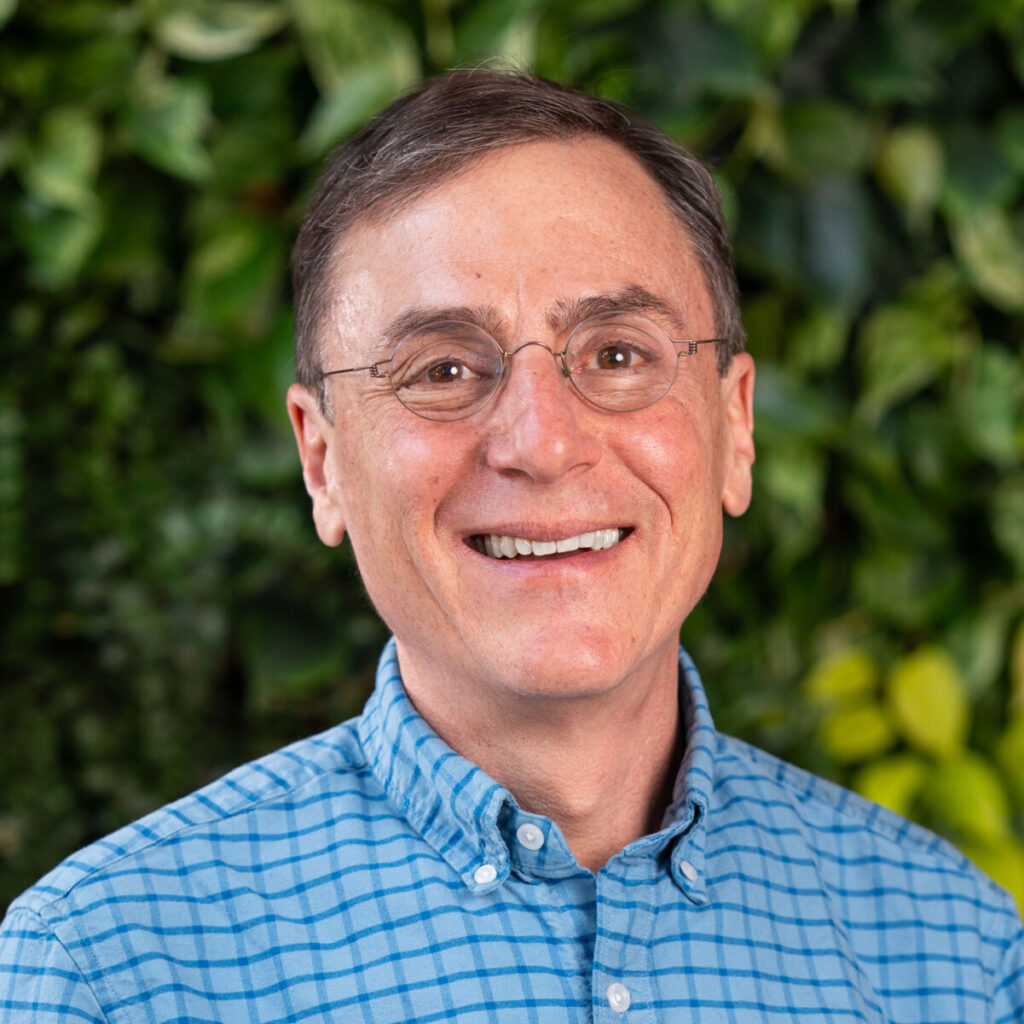
Member Profile: Michael Gleicher
1. What do you do, and how long have you been doing it?
I’d like to think that what I do is more than the things I do for my job. For my job, I profess Computer Sciences (yes, plural), at the University of Wisconsin — Madison (yes, em dash). I have been doing that for 28 years. At present I also serve as Associate Chair for Undergraduate Programs (for 1 year), and work as an Amazon Design Scholar (for 3 years).
2. What was your first job?
My first relevant job was during high school: I worked at Bell Labs in Murray Hill helping them set up perception experiments using computer displays.
3. Where did you complete your formal education?
I earned a Ph. D. and M.S. in Computer Science at Carnegie Mellon University. Before that, I earned a B.S.E. in Electrical Engineering from Duke University.
4. How did you first get involved with ACM SIGGRAPH?
I started attending the main conference in 1989, then started attending the smaller conferences (I3D). It was a slippery slope to getting more involved in working with the smaller conferences.
5. What is your favorite memory of a SIGGRAPH conference?
A non-specific answer because it is hard to pick one: it always involves the people. Some of the memories are fun things with peers, and some of the memories are the more senior/famous people who took the time away from everything else to give me mentoring that I remember decades later.
When I first thought of this, I was expecting my answer to be some “big event” like a talk or something. While there are some memories around these, they are surprisingly hazy.
6. Describe a project that you would like to share with the ACM SIGGRAPH community.
I have a project to try to modernize our graphics class. One challenge is trying to figure out how people are doing graphics today and will be doing graphics in the near term; this is hard for me, since I am not actively a graphics researcher or practitioner anymore. But the bigger challenge is to rethink what college course education even means in the current era, and how we can embrace the technology shifts rather than just trying to defend against them.
7. If you could have dinner with one living or non-living person, who would it be and why?
My great-grandparents (actually that’s 8 people, but I would prioritize my father’s father’s mother or my mother’s father’s father if you forced me to choose). All I have are stories, that now that I reflect on them, don’t seem to match the history of the time. I’d love to be able to match the place names they said they were from to current locations in modern countries. I’d love to know about their lives in “the old world,” how and why they immigrated, and how they established themselves here in North America.
8. What is something most people don’t know about you?
I love dogs, but didn’t figure this out until later in life.
9. From which single individual have you learned the most in your life? What did they teach you?
That’s a hard question, and I fear all I have are cliche answers.
10. Is there someone in particular who has influenced your decision to work with ACM SIGGRAPH?
My Ph. D. advisor, Andy Witkin, impressed upon me at an early point in my career how important the technical community was. Both in attending and sharing work at conferences, but also in getting to know others. My mentors at Apple (where I was a summer intern) showed me that the technical community was about more than just the technical content.
11. What can you point to in your career as your proudest moment?
While its not a single moment, the accomplishment I am most proud of is the impact that I’ve had as a mentor and educator. When I see a student or junior colleague succeed, I am proud that I have been able to help them. This is a long series of small things, but it adds up and reminds me why I do what I do.